
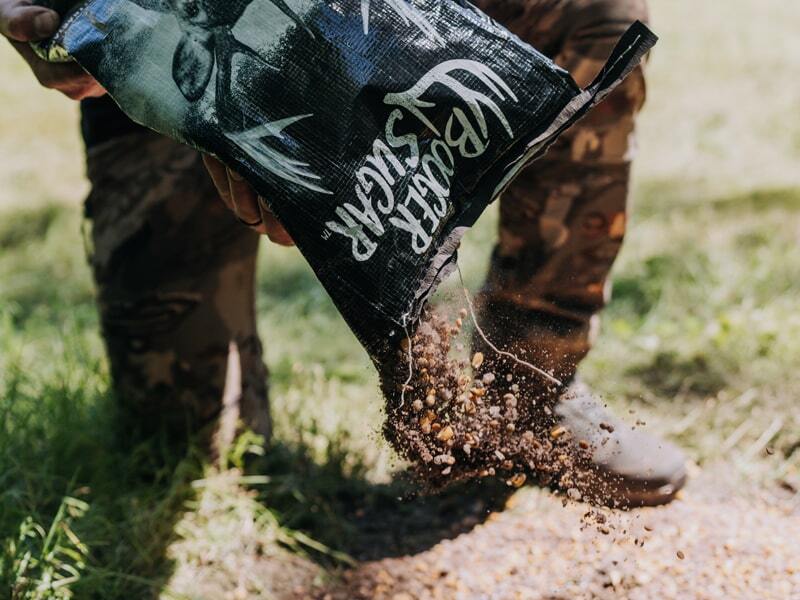
Enhance Deer Diets
High-quality supplements and attractants can be a key component of a healthy deer diet, especially during periods when native forage is lacking. Research has shown that helping deer meet year-round nutritional requirements can increase both the number and quality of deer on a property. Bucks will become heavier and carry larger antlers. Does also will be heavier and in better condition during pregnancy, fawning, and lactation — resulting in increased fawn health and survival. Nutritional supplements and attractants also help pattern deer, providing enhanced viewing and hunting opportunities.
Nutritional Supplement Benefits
- Provides vital nutrients, especially during periods when native forage is lacking.
- Provides a key source of digestible energy which is vital during the rut and for winter survival.
- Helps increase body weight and antler growth in bucks.
- Helps increase body weight and productivity in does.
- Helps increase body weight and survival in fawns.
- Helps attract, hold, and pattern deer on a property.
- Provides great hunting and viewing opportunities.
Nutrient Types
- Protein: The most important nutrient during antler growth and fawn production while also being vital for normal hormone and antibody production.
- Carbohydrates: These sugars, starches, and cellulose are vital for meeting seasonal energy demands, especially during winter when survival is paramount.
- Vitamins: Organic compounds found in small amounts in food that are essential for health, maintenance, and reproduction.
- Minerals: This includes macronutrients like calcium, phosphorous, and sodium and trace nutrients like zinc and Iodine — all of which play important roles in various body functions.
- Essential Fatty Acids: Deer cannot produce these, so they must come from foods they consume, providing both energy and proper cell function.
Feeding Methods
All Evolved nutritional attractants should be provided free-choice throughout the year. Be sure to follow all state and local laws regarding the use of feeds in your area.
Trail Camera Surveys
For use with either trail cameras or harvest spots, place or pour attractants on the ground in 2- to 3-foot strips perpendicular to your camera or hunting setup. This will encourage animals to feed in a pattern that facilitates a profile view for optimum photographs or ethical shot opportunities. Be sure to set up trail cameras facing either north or south, so they aren't facing direct sunlight.